








The sharing economy is gaining particular prominence lately, despite being present for years. With successful examples like Airbnb and Uber, many other companies are following suit. While their journey has been astounding, many have faced numerous hurdles along the way.
The impact of fraud and data theft cannot be left unnoticed. In this blog, we will be discussing how ID verification solutions can streamline the sharing economy business model and keep out bad actors.
What is the Threat Faced by this Sector?
The impact of identity fraud, customer data theft, and resulting damages to the services are emerging due to strangers entering the business model with unverified identities. This has serious consequences for firms and individuals alike. Identity fraud has reached an all-time high, with recorded cases reaching 16.7 million in the United States. Sharing economy businesses that do not employ robust ID verification mechanisms are under the threat of fraudsters and in for a costly battle.
Diminishing Trust Must be Rebuilt
As hard as it is to build trust, it is equally easy to break it. This is a major barrier to the success of sharing economy businesses. While in a traditional setup, building a trustworthy ecosystem is fairly simple, the same cannot be said for the sharing economy model. Firms in this model have to rely on the services of third-party providers to deliver their promises to the customers. However, without a proper ID verification system, third-party fraud is hard to avoid.
To rebuild this trust and provide customers with convenience, digital ID authentication methods can be adopted. As sharing economy fraud is an issue that is global, identity verification online solutions must be utilized. This way, customers and vendors can be verified using official ID documents, while businesses can continue to provide secure products and services.
How Digital Identity Verification Comes to the Rescue
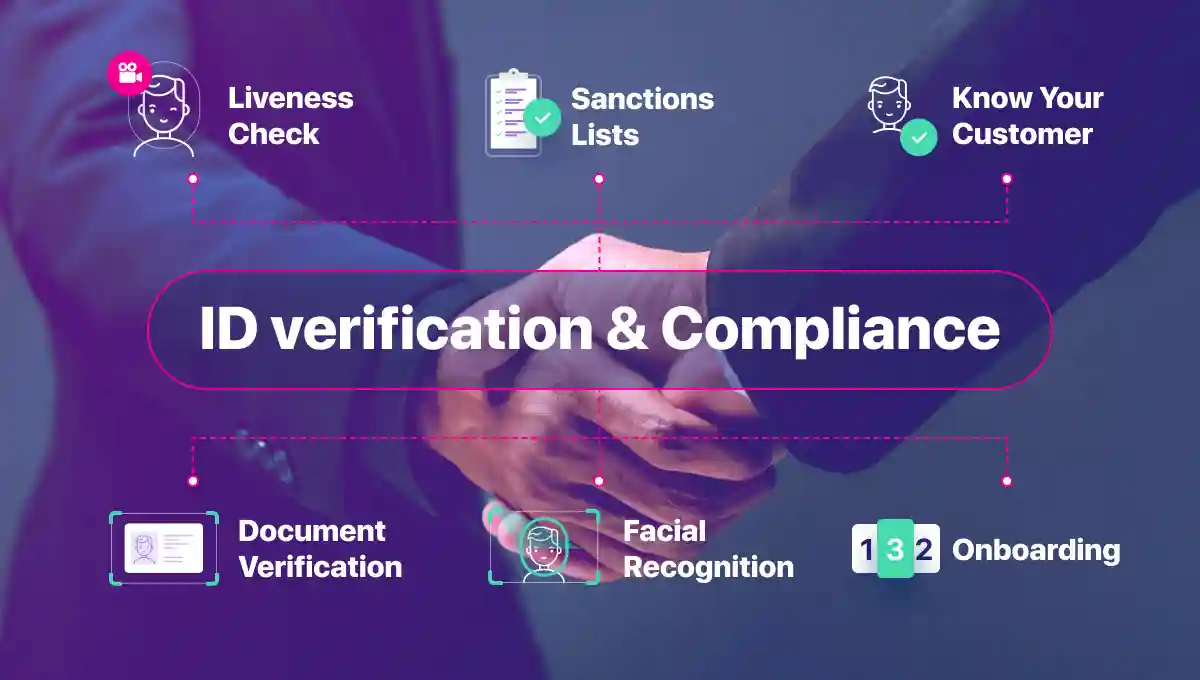
Fortunately for businesses, advanced emerging technologies prevail to live up to their mark. Robust digital ID verification solutions have the ability to deter fraud and lower costs all in one go. By simply verifying the identity of the customer during the initial account opening stage, scammers can be kept at bay.
Here’s how this would work:
- Suppose a customer calls a taxi ride to reach their workplace
- They join the app and are required to provide their identity details
- After doing so, they can be asked to provide evidence of the information provided. For this, the customer would upload an image of their official ID documents, such as a government-issued ID card
- If the ride-hailing app has an ID authentication system in place, the information gathered will be automatically cross-matched and verified within seconds
Can Fake Documents be detected by ID Verification Solutions?
A major advantage of digital ID verification software is that they have the ability to distinguish between fake and legitimate documents. The kinds of fake documents that are detected fall under three categories, namely:
- Modified documents
- Illegitimate documents
- False documents
All three of these are used by scammers to bypass security checks. Although they may be left unnoticed during manual identity verification, automated processes have the ability to weed them out. ID verification software must be employed by sharing economy businesses as they can detect documents that have been tampered with, contain incorrect information, or have missing details such as a hologram or rainbow print.
ID Verification Using Biometric Technology
To add an extra layer of security, firms can also invest in biometric ID verification technologies such as facial biometric authentication. This method of ID verification has the added advantage of verifying customers based on their facial features. As each individual has distinct facial characteristics, they serve as the better alternative for passwords and PIN codes. Thus, instead of integrating apps with old-school security features such as a password, businesses can shift towards biometric verification tactics including facial, fingerprint, or voice recognition.
Key Takeaways
- The sharing economy model is under the threat of players with unverified identities
- Businesses can equip themselves with robust ID verification technologies to safeguard themselves
- Digital ID verification enables rapid, secure, and accurate identification based on the verification of official ID documents
- Biometric authentication can also be employed for real-time verification